Friday, July 24, 2026

Friday, July 24, 2026



Kathmandu, In the aftermath of the Gen Z movement, it has been revealed that the Nepal Army Headquarters warned President Ramchandra Paudel that if a political solution was not found immediately, they would recommend either declaring a state of emergency or face escalating crisis. Under this pressure, President Paudel eventually agreed to dissolve the Parliament.
The Gen Z uprising had already led to the fall of the then KP Sharma Oli-led government. In the power vacuum that followed, President Paudel initially insisted that any new government must be formed within the constitutional framework, maintaining the existing Parliament and moving toward fresh elections.
However, when it appeared that this stance could further deepen the crisis, Chief of Army Staff Ashok Raj Sigdel reportedly handed the president a formal letter suggesting that if political leaders failed to resolve the situation immediately, the military would declare a state of emergency and take control.
.gif)
The Gen Z protests on Bhadra 23 and 24 (early September) were instrumental in bringing down the Oli government. The protesters then demanded a new government aligned with their roadmap — and most critically, the dissolution of Parliament. They made it clear that unless Parliament was dissolved, a new government would not be acceptable to them.
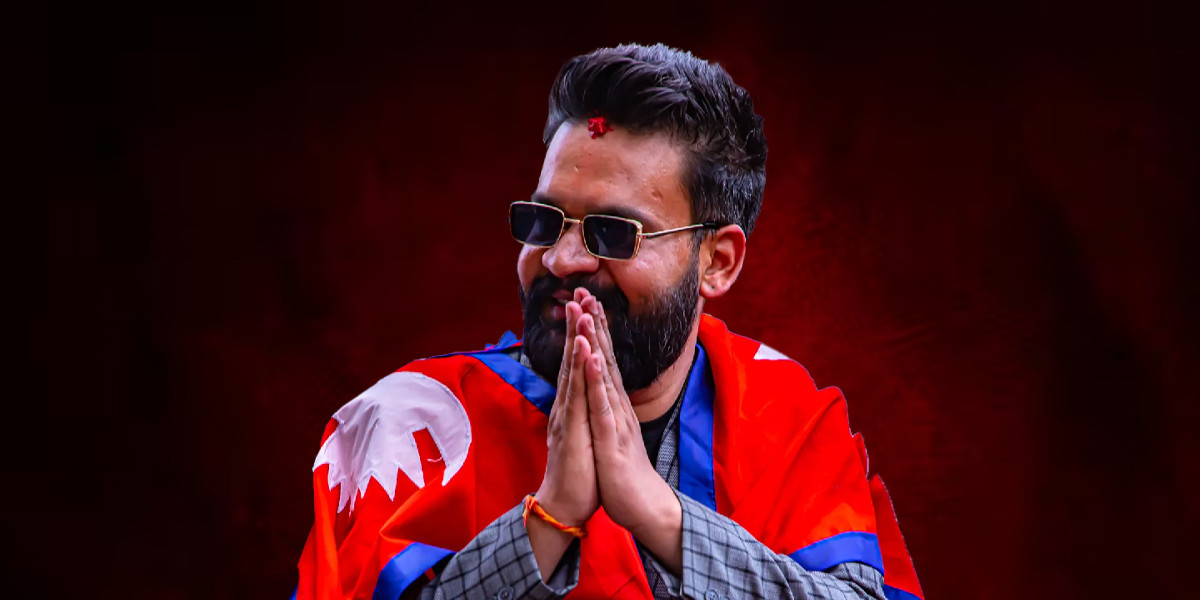
This demand put President Paudel in a difficult position. Leaders of major political parties opposed the idea of dissolving Parliament, and Paudel himself was initially against it. However, as the pressure mounted — especially after Kathmandu Mayor Balen Shah threw his support behind the Gen Z movement — the president eventually gave in.

Following KP Sharma Oli’s resignation on Bhadra 24, Army Chief Sigdel had already begun consultations with key stakeholders. On Bhadra 25, he held discussions at the Army Headquarters with representatives of the Gen Z movement, including controversial figure Durga Prasai, under the pretext of meeting with "movement stakeholders."
At that point, the political leadership appeared absent or inactive, and it was during this vacuum that Sigdel is said to have presented various "options" to the President. Initially, President Paudel refused to dissolve Parliament. In response, Sigdel reportedly adjusted his approach and proposed appointing former Chief Justice Sushila Karki as Prime Minister, followed by immediate dissolution of the House of Representatives.
President Paudel initially resisted, arguing that the Gen Z movement was for youth leadership, which could also be addressed within existing political parties. But eventually, after holding talks with several party leaders, he agreed to appoint Sushila Karki as Prime Minister and move forward with the dissolution of Parliament.
© 2026 All right reserved to laligurash.com
By